
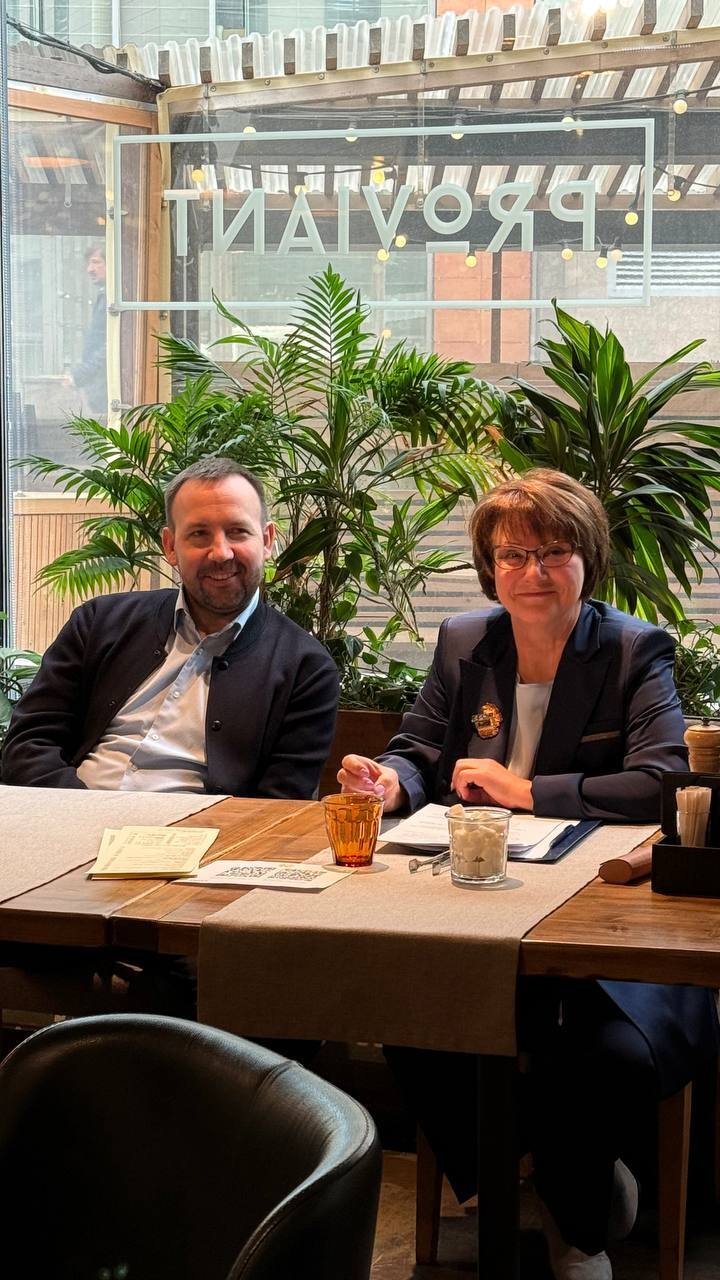
On March 12, TEAM Consulting Group held another business breakfast within its series dedicated to business succession.
The guest of the event was Yuri Nabatov, CEO of the shipping company Neva Travel.
During the discussion, participants explored practical aspects of transferring a business to the next generation, as well as key factors influencing the long-term sustainability of a company. Using the development of Neva Travel as an example, the group examined situations where new management decisions and successor initiatives contributed to increased business capitalization and enabled the company to move to a new stage of growth.
Special attention was paid to the development of managerial thinking among future owners, building trust between generations, and the gradual transfer of responsibility. Experts agreed that preparation for succession should begin when the business is at its peak of stability and growth.
Among the key recommendations were the organization of structured partner sessions between founders and successors, the formalization of corporate agreements, and the creation of a management system that does not depend on individual personalities.
Participants emphasized that a well-structured corporate framework and up-to-date legal documentation form a crucial foundation not only for transferring a business to heirs, but also for attracting investors or preparing a company for a potential sale.
When preparing a business for transfer or sale, corporate documents should no longer be treated as a formality — they must reflect the actual model of interaction between the founder and the future owner.
TEAM is ready to support businesses in planning and structuring successful ownership transitions.
The guest of the event was Yuri Nabatov, CEO of the shipping company Neva Travel.
During the discussion, participants explored practical aspects of transferring a business to the next generation, as well as key factors influencing the long-term sustainability of a company. Using the development of Neva Travel as an example, the group examined situations where new management decisions and successor initiatives contributed to increased business capitalization and enabled the company to move to a new stage of growth.
Special attention was paid to the development of managerial thinking among future owners, building trust between generations, and the gradual transfer of responsibility. Experts agreed that preparation for succession should begin when the business is at its peak of stability and growth.
Among the key recommendations were the organization of structured partner sessions between founders and successors, the formalization of corporate agreements, and the creation of a management system that does not depend on individual personalities.
Participants emphasized that a well-structured corporate framework and up-to-date legal documentation form a crucial foundation not only for transferring a business to heirs, but also for attracting investors or preparing a company for a potential sale.
When preparing a business for transfer or sale, corporate documents should no longer be treated as a formality — they must reflect the actual model of interaction between the founder and the future owner.
TEAM is ready to support businesses in planning and structuring successful ownership transitions.