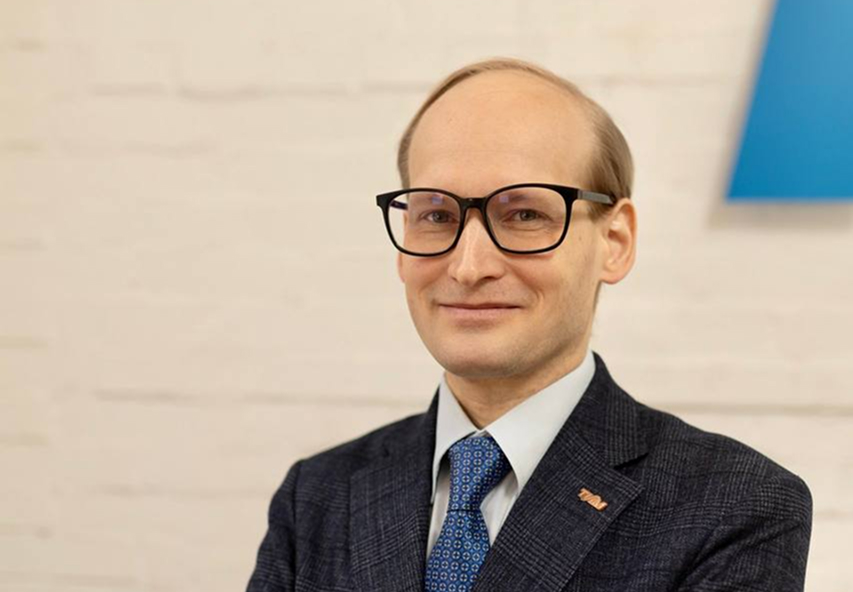
Pavel Belonozhkin, Senior Lawyer at TEAM, comments on management of Russian companies owned by shareholders from so-called unfriendly states to Delovoy Peterburg media:
What are the issues in management of companies having shareholders-residents of unfriendly states?
The main management issue has a name of its own: the Governmental Commission for Monitoring Foreign Investments in the Russian Federation. Since 2022, its special permits are required for any dealings with shares owned by such ‘unfriendly shareholders’: corporate restructuring, conclusion of a shareholders agreement, pledge or sale of shares, withdrawal from the company – you name it. Without a permit, any transaction will be void.
What are the consequences for the business?
The need to obtain permits puts additional burden when implementing corporate decisions, which affects functioning and efficiency of the business. The restrictions apply not only to companies with direct shareholding by individuals from unfriendly states but also to subsidiaries of such companies. For an applicant, interaction with the Governmental Commission is akin to a lottery: there are no open regulations, no time limits for reviewing documents, and the commission's decision-making mechanism is as hidden as possible. It is necessary to constantly keep abreast of changes in the regulatory framework. For instance, according to the Ministry of Finance, changing a CEO in a company with ‘unfriendly shareholders’ became possible only in February 2025. Yet, the Governmental Commission permit is still required when powers of the CEO are to be transferred to a management company.
How can ‘unfriendly shareholders’ exercise their rights, in particular when participating in general meetings or approving major transactions?
‘Unfriendly shareholders’ are generally not restricted from participating in general meeting, and have the right to vote on matters related to major transactions. However, they cannot make certain decisions without the prior permit by the Government Commission. As they are under sanction pressurein their home countries, they tend to give powers of attorney to local representatives for exercise of their rights in Russia.
What are the other obstacles for ‘unfriendly shareholders’?
Obtaining prior permits from the Governmental Commission is necessary not only for direct transactions with shares, but also for the exercise of other rights. For example, a permit is a must for distribution of profit to an ‘unfriendly shareholder’ in a limited liability company when the payment exceeds RUB 10 mln per month.
The full article is available at: https://www.dp.ru/a/2025/03/05/u-inostrannogo-biznesa-v-peterburge
What are the issues in management of companies having shareholders-residents of unfriendly states?
The main management issue has a name of its own: the Governmental Commission for Monitoring Foreign Investments in the Russian Federation. Since 2022, its special permits are required for any dealings with shares owned by such ‘unfriendly shareholders’: corporate restructuring, conclusion of a shareholders agreement, pledge or sale of shares, withdrawal from the company – you name it. Without a permit, any transaction will be void.
What are the consequences for the business?
The need to obtain permits puts additional burden when implementing corporate decisions, which affects functioning and efficiency of the business. The restrictions apply not only to companies with direct shareholding by individuals from unfriendly states but also to subsidiaries of such companies. For an applicant, interaction with the Governmental Commission is akin to a lottery: there are no open regulations, no time limits for reviewing documents, and the commission's decision-making mechanism is as hidden as possible. It is necessary to constantly keep abreast of changes in the regulatory framework. For instance, according to the Ministry of Finance, changing a CEO in a company with ‘unfriendly shareholders’ became possible only in February 2025. Yet, the Governmental Commission permit is still required when powers of the CEO are to be transferred to a management company.
How can ‘unfriendly shareholders’ exercise their rights, in particular when participating in general meetings or approving major transactions?
‘Unfriendly shareholders’ are generally not restricted from participating in general meeting, and have the right to vote on matters related to major transactions. However, they cannot make certain decisions without the prior permit by the Government Commission. As they are under sanction pressurein their home countries, they tend to give powers of attorney to local representatives for exercise of their rights in Russia.
What are the other obstacles for ‘unfriendly shareholders’?
Obtaining prior permits from the Governmental Commission is necessary not only for direct transactions with shares, but also for the exercise of other rights. For example, a permit is a must for distribution of profit to an ‘unfriendly shareholder’ in a limited liability company when the payment exceeds RUB 10 mln per month.
The full article is available at: https://www.dp.ru/a/2025/03/05/u-inostrannogo-biznesa-v-peterburge